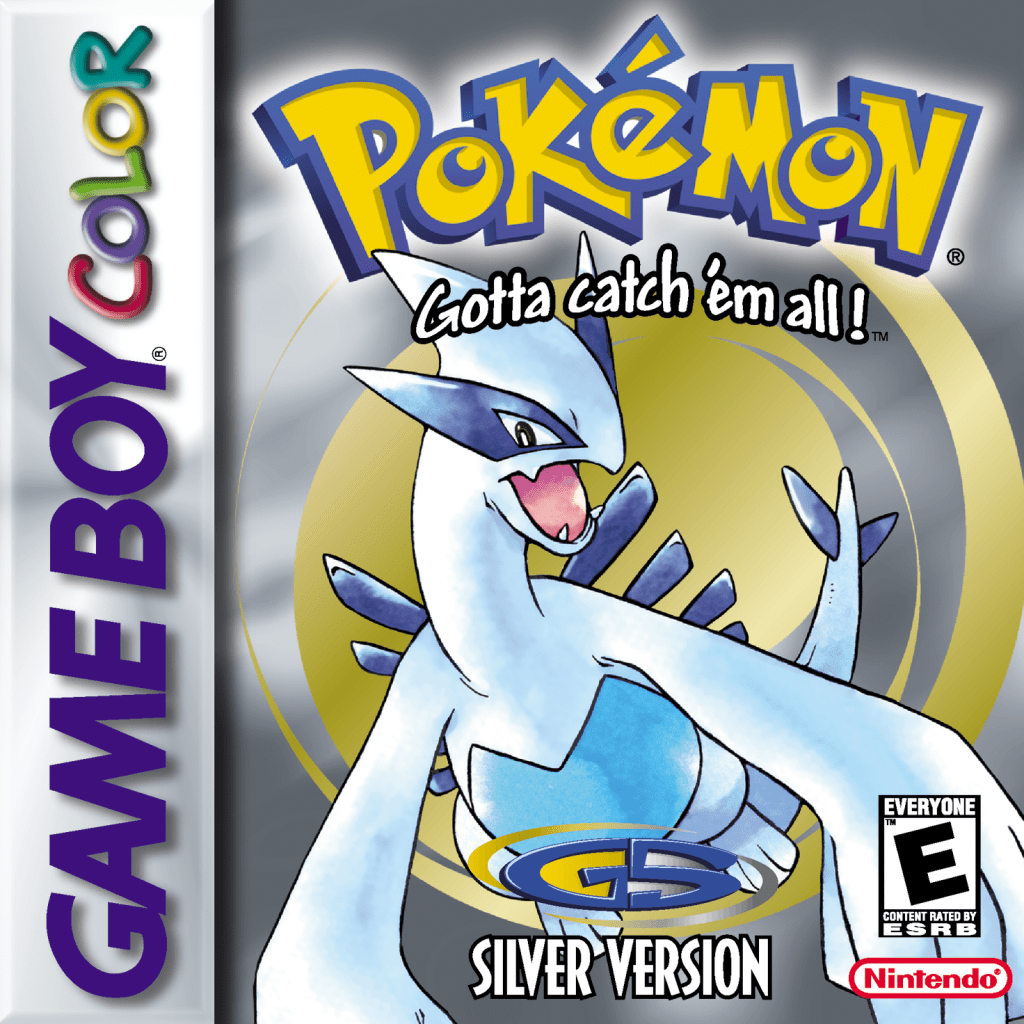
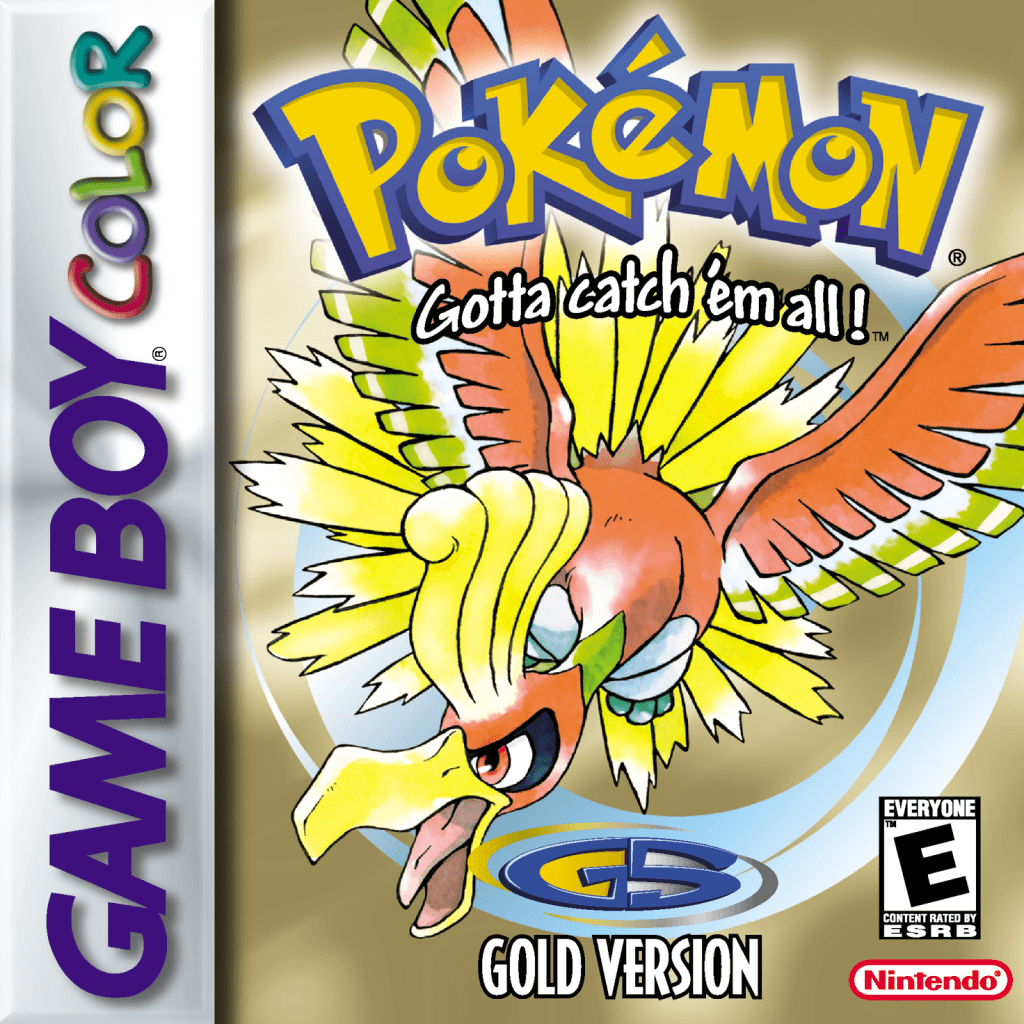
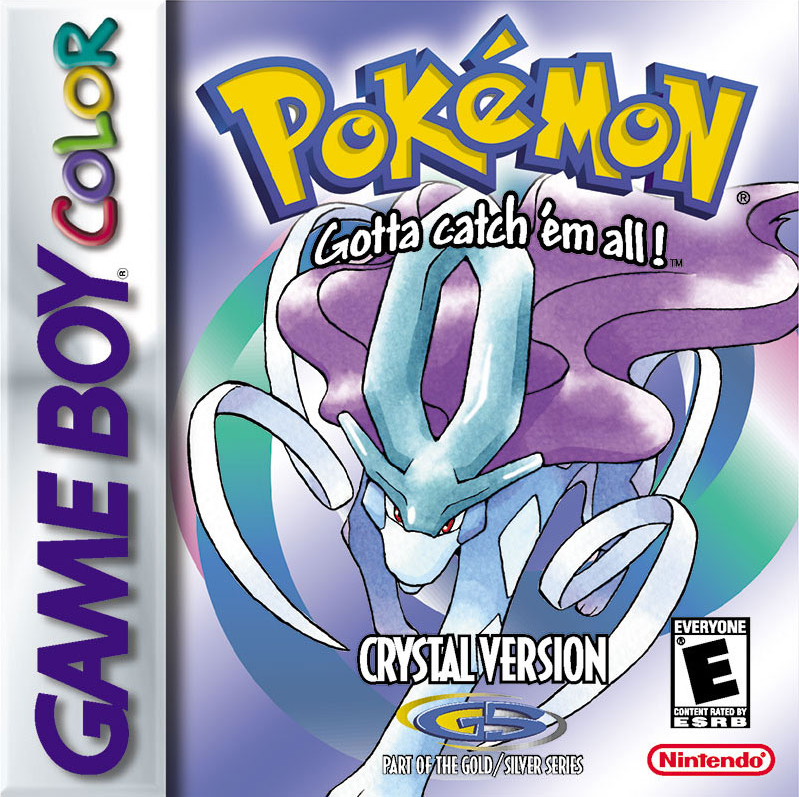
When Pokémon Gold and Silver first released, they revolutionized the series with a day/night cycle, breeding, and the massive post-game return to Kanto. A couple of years later, Pokémon Crystal arrived as an enhanced version—not a sequel, but a refinement. While the core adventure remains the same, Crystal introduces a surprising number of meaningful changes. Here are 10 of the biggest differences.
1. Animated Pokémon Sprites
For the first time, Pokémon move when they enter battle. These subtle animations give battles more personality compared to the static sprites of Gold and Silver. Even a small shift or bounce helps each Pokémon feel more alive. It adds charm without slowing down the pace of combat.
2. Female Playable Character
Crystal is the first game in the series to let you choose a female protagonist. It doesn’t change gameplay, but it adds an important layer of representation. This option helps more players see themselves reflected in the game world. It also became a permanent feature in future Pokémon titles.
3. Suicune-Focused Storyline
Instead of being just a roaming Legendary, Suicune becomes central to the narrative. You encounter it multiple times, culminating in a scripted battle. This gives your journey a clearer throughline compared to the originals. It also makes Suicune feel more significant and memorable.
4. Introduction of Eusine
Eusine, a new character obsessed with Suicune, adds depth to the story and helps guide the player through Crystal’s more structured legendary arc. He appears at key moments to reinforce the importance of Suicune. His presence makes the story feel more character-driven. It’s a small addition that strengthens the narrative cohesion.
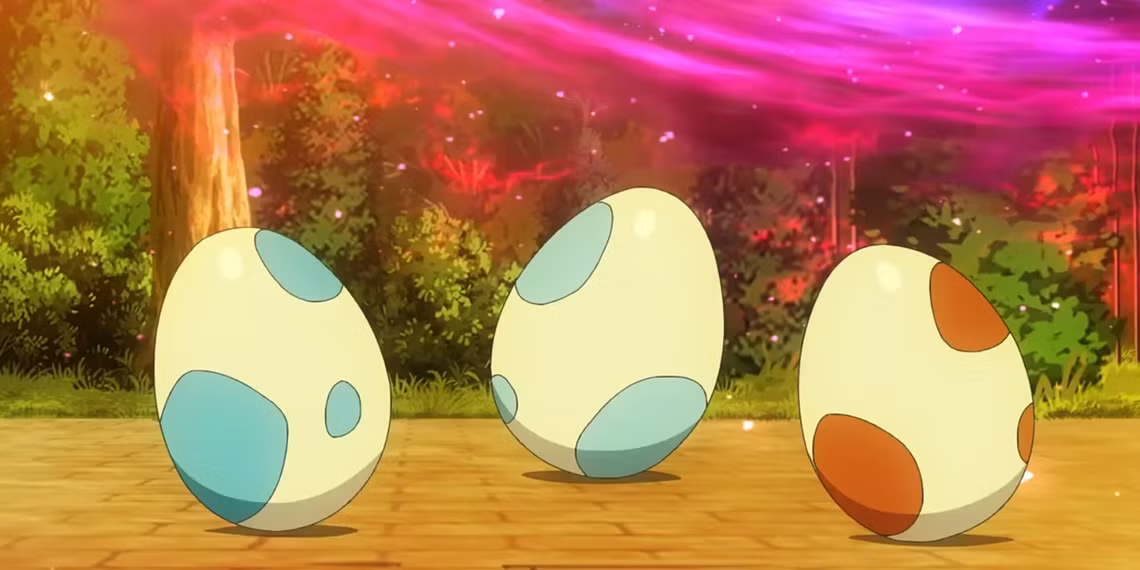
5. The Odd Egg
Early in Crystal, you receive an Odd Egg with a higher chance of hatching into rare baby Pokémon like Pichu, Magby, or Elekid—encouraging early engagement with breeding. This makes the daycare system feel relevant much sooner. It also gives players a fun early-game surprise. For many, it’s their first exposure to baby Pokémon mechanics.
6. Battle Tower Added
Crystal introduces the Battle Tower, a post-game facility where you can test your team in a series of increasingly difficult battles—adding replayability. It provides a structured challenge beyond the Elite Four. Players can experiment with different team strategies here. This feature laid the groundwork for future battle facilities in later games.
7. Slightly Different Pokémon Availability
Some Pokémon that were version-exclusive or harder to obtain in Gold and Silver are easier to access in Crystal, making team-building a bit more flexible. This reduces the reliance on trading between versions. It also allows for more varied playthroughs with different team compositions. For solo players, this is a meaningful improvement.
8. Minor Sprite and Visual Updates
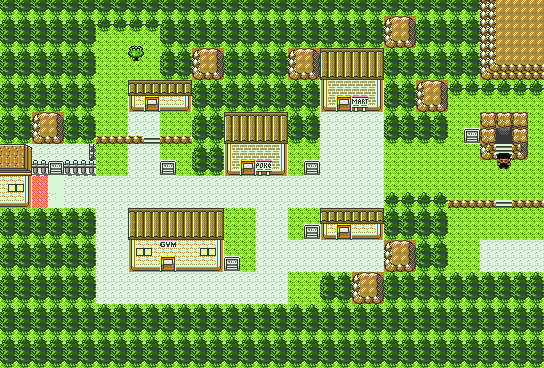
Beyond animations, many character sprites and overworld details are slightly refined, giving Crystal a more polished look overall. Colors and designs feel a bit sharper and more expressive. These updates aren’t drastic, but they’re noticeable over time. They help Crystal feel like a more complete version of Johto.
9. Event and Dialogue Tweaks
Several in-game events, trainer dialogues, and small story beats are adjusted, making the pacing feel a bit smoother and more intentional. Some moments are clarified or given more context. These tweaks reduce confusion and improve narrative flow. It’s the kind of polish you notice more on repeat playthroughs.
10. Celebi Event Compatibility (Originally Japan-only)
Crystal was designed to support a Celebi event via the GS Ball, adding a unique mythical Pokémon encounter (though this was originally limited by region and distribution). This gave the game a sense of mystery and special content. It also hinted at a more connected event-based future for the series. Later releases would make this event more accessible to players worldwide.


Leave a comment